

Why Child Welfare Matters in Nigeria Today: Protecting the Future of a Nation
Introduction: The Stark Contrast
Picture this: a bustling street in Lagos, where the energy is palpable, and the sense of possibility hangs in the humid air. Now, zoom in. Huddled by a roadside kiosk, a child no older than seven sells sachet water, his eyes tracking cars instead of chalkboards. In a quiet village in the Northeast, a girl dreams of school but knows her path is likely toward early marriage. This is the paradox of Nigeria—a nation brimming with human potential, natural wealth, and cultural vibrancy, yet grappling with a silent crisis that threatens its very foundation: the welfare of its children.
With an estimated population exceeding 220 million, over half of whom are under 18, Nigeria is quite literally a young country. The state of its children is the state of its future. Yet, millions of these young lives exist on the precarious edge of vulnerability, denied their fundamental rights to safety, education, health, and dignity. Investing in child welfare isn’t merely an act of charity; it is the most critical strategic investment Nigeria can make for its stability, economic prosperity, and social cohesion. This post delves into the multifaceted realities of vulnerable children in Nigeria and explores how targeted support programs are not just changing individual destinies but are essential for national survival.
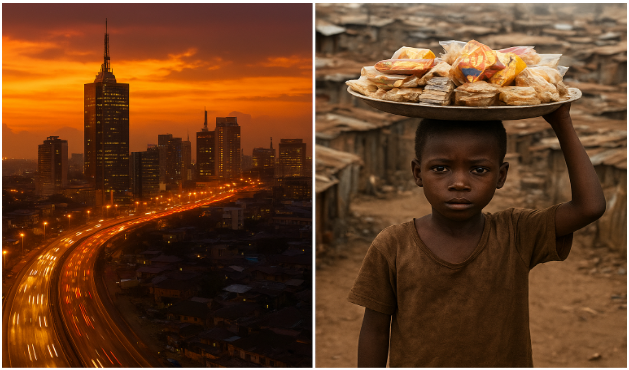
The Landscape of Vulnerability: Understanding the Scale
To comprehend why child welfare is urgent, we must first confront the scale and dimensions of the problem. Vulnerability for Nigerian children wears many faces, often intersecting in ways that deepen the crisis.
1. The Albatross of Poverty: Poverty is the overwhelming driver of child vulnerability. According to the National Bureau of Statistics, over 80 million Nigerians live below the poverty line. For children, this translates into:
- Nutritional Crisis: Stunting, caused by chronic malnutrition, affects over 36% of children under five (UNICEF), impairing cognitive and physical development for life. This isn’t just a health issue; it’s a national development handicap.
- Child Labour: An estimated 15 million Nigerian children are engaged in child labour, with many in hazardous conditions in mines, quarries, domestic servitude, and street hawking. Education is sacrificed for survival, perpetuating the cycle of poverty.
- Deprivation of Basic Services: Poverty means lack of access to clean water, sanitation, and healthcare, making children susceptible to preventable diseases.
2. The Scourge of Conflict and Displacement: The protracted insurgency in the Northeast has created a humanitarian catastrophe. Over 2 million people are internally displaced, more than half of them children. These children have witnessed unspeakable violence, lost family members, and had their childhoods stolen. They face acute risks of malnutrition, sexual and gender-based violence, forced recruitment by armed groups, and severe psychological trauma. The education of over 1.3 million children in the region has been disrupted.
3. Harmful Cultural and Social Practices: Despite legal frameworks, deep-rooted practices persist:
- Child Marriage: 43% of girls in Nigeria are married before the age of 18, and 17% before 15 (UNICEF). This ends their education, exposes them to health risks from early pregnancy, and traps them in cycles of dependency.
- Denial of Education: Particularly for girls, children with disabilities, and those in rural areas, access to quality education remains a challenge. An estimated 10.5 million children are out of school—the highest number in the world.
- Witchcraft Stigmatization: In some regions, children are branded as “witches” or possessed, leading to abandonment, abuse, and even murder.
4. A Fragile Care System: Nigeria has a significant population of orphans and vulnerable children (OVC), driven by HIV/AIDS, conflict, and poverty. The traditional extended family safety net is straining under economic pressures. Formal foster care and adoption processes are underdeveloped, leaving many children in inadequate institutional care or with no care at all.
5. Violence and Exploitation: Children face alarming levels of violence at home, in schools, and in communities. Corporal punishment remains widespread. Sexual exploitation and trafficking are grave threats, with Nigeria being a source, transit, and destination country for child trafficking.
The Ripple Effect: Why Ignoring Child Welfare is Catastrophic
The suffering of a child is a moral failing. But beyond the ethical imperative, the societal and economic costs of neglect are monumental.
- The Lost Generation: Children who grow up malnourished, uneducated, and traumatized cannot become the innovators, leaders, and skilled workforce Nigeria needs to compete in the 21st century. This creates a demographic liability instead of a dividend.
- Perpetuating Cycles of Poverty and Instability: Uneducated, disenfranchised youth are more susceptible to recruitment by criminal gangs and extremist groups, fueling the very conflicts that displace more children.
- Economic Drain: The future cost of addressing the consequences of neglect—increased healthcare burdens, crime, and lost productivity—far outweighs the cost of preventive investment in child welfare today.
- A Question of National Conscience: A society judged by how it treats its most vulnerable cannot claim progress while its children suffer. It erodes social trust and the very fabric of the nation.
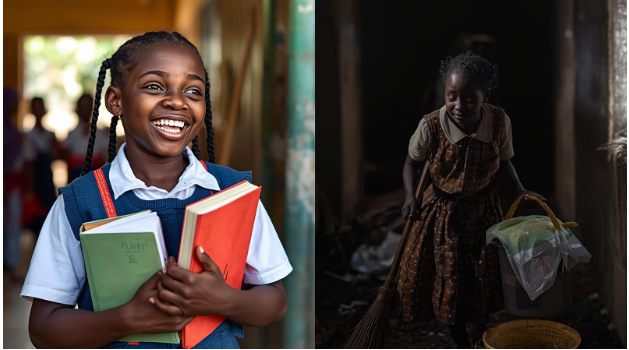
Beacons of Hope: How Support Programs Are Making a Difference
Amidst these daunting challenges, numerous government initiatives, NGOs, faith-based organizations, and community groups are working tirelessly to turn the tide. Their work demonstrates that change is possible with targeted, sustained intervention.
1. Strengthening Health and Nutrition:
- The Community Management of Acute Malnutrition (CMAM): Led by UNICEF and partners, this program identifies and treats severely malnourished children at the community level using ready-to-use therapeutic food (RUTF). It has saved hundreds of thousands of lives, moving treatment from distant hospitals to local clinics.
- Routine Immunization Drives: Organizations like the WHO, Gavi, and Nigeria’s National Primary Health Care Development Agency (NPHCDA) work to increase vaccination coverage, protecting children from deadly but preventable diseases like measles, polio, and pneumonia.
2. The Fight for Education:
- The Girls’ Education Project (GEP): A collaboration between the Nigerian government, UNICEF, and the UK, GEP has focused on increasing girls’ enrollment, retention, and completion of basic education in Northern Nigeria through advocacy, teacher training, and community mobilization.
- Low-Cost Private and Community Schools: Organizations like Bridge International Academies and LEAP Africa are innovating with technology-driven, standardized curricula to provide affordable, quality education in underserved communities, demonstrating that out-of-school children can be reached.
- Scholarship and Mentorship Programs: Initiatives like the Educational Cooperation Society (ECS) and many others provide scholarships, school supplies, and mentorship to brilliant but indigent children, particularly girls, ensuring poverty isn’t a barrier to talent.
3. Child Protection Systems:
- The Child Rights Act (2003) and State-Level Advocacy: While adoption is incomplete (35 states + FCT have passed it), the Act provides a legal framework. NGOs like the Child Rights and Rehabilitation Network (CRARN) in Akwa Ibom directly rescue, rehabilitate, and advocate for children accused of witchcraft and street children.
- Shelters and Rehabilitation Centers: Organizations such as the Dorothy Njemanze Foundation (DNF) and Mirabel Centre provide safe shelters, psychosocial support, legal aid, and medical care for survivors of sexual and gender-based violence, many of whom are children.
- The “Strengthening Civil Society to Prevent Child Trafficking” Project: This multi-stakeholder initiative works in hotspots to raise awareness, strengthen community surveillance, and support victims’ reintegration.
4. Support for Orphans and Vulnerable Children (OVC):
- The President’s Emergency Plan for AIDS Relief (PEPFAR): Through various implementing partners, PEPFAR provides comprehensive support to OVC affected by HIV/AIDS, including educational support, nutrition, household economic strengthening, and psychosocial care, keeping families resilient and children in school.
- Family-Based Care Models: Organizations are increasingly moving away from institutional care, promoting kinship care (placement with extended family) supported by cash transfers and training, and developing foster care systems that provide a more nurturing, family-like environment.
5. Psychosocial Support and Healing:
- In conflict-affected zones, groups like Save the Children and the International Rescue Committee (IRC) run Child-Friendly Spaces (CFS). These are safe havens where children can play, learn, and begin to process trauma in a structured, supportive environment, a critical first step in healing invisible wounds.
6. Economic Empowerment of Families:
- Recognizing that child vulnerability often stems from family poverty, programs like cash transfers (e.g., the National Social Safety Net Program) and vocational training for caregivers (often mothers) help stabilize households, reducing the pressure to send children to work or into early marriage.
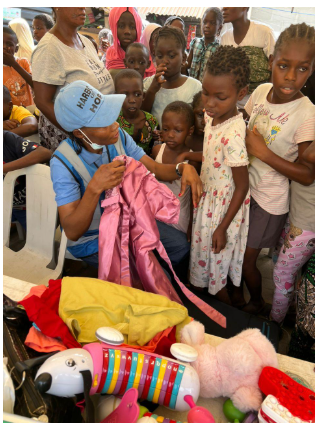
The Path Forward: An Integrated, Sustained Commitment
The work of these programs is heroic, but they operate in a context of systemic challenges: inadequate funding, coordination gaps, cultural resistance, and sometimes, political will that wavers. For child welfare to move from pockets of success to national transformation, a concerted, multi-sectoral approach is needed:
- Political Will as the Bedrock: Child welfare must be a top-tier governance priority, reflected in increased budgetary allocations to health, education, and social protection. Full domestication and implementation of the Child Rights Act across all states is non-negotiable.
- Systems Strengthening Over Silos: Support must move beyond isolated projects to strengthen entire public systems—health, education, justice, and social welfare—so they can sustainably protect every child.
- Community-Led Solutions: Lasting change respects context. Programs must deeply engage community leaders, religious figures, and parents as partners, shifting harmful norms from within.
- Data-Driven Action: Improved data collection on child protection violations, malnutrition, and school attendance is crucial for targeting resources and measuring progress effectively.
- The Private Sector as Partner: Corporate Nigeria must see investment in child welfare as part of its social license to operate and a necessity for building a future consumer base and workforce.
- Every Nigerian’s Role: From reporting abuse to mentoring a child, supporting a credible NGO, or simply raising our own children with respect and love, everyone has a part to play.
Conclusion: The Children Are Waiting
In the smile of a girl who stays in school because of a scholarship, in the recovering body of a malnourished toddler, in the healed spirit of a child who has found safety after trauma—in these moments, we see the true potential of Nigeria. The nation’s children are not a sidebar to the national story; they are its main characters, its editors, and its authors.
The question before Nigeria is not whether it can afford to invest in child welfare. The evidence is clear that it cannot afford not to. Every child saved from hunger, protected from violence, educated, and empowered is a brick laid in the foundation of a more stable, prosperous, and just society. They are the future doctors, engineers, farmers, teachers, and leaders. Their well-being is the ultimate metric of national success.
The time for rhetoric is over. The time for fragmented action is past. What is required today is a unified, relentless, and compassionate national movement that places the welfare of every Nigerian child at the absolute center of the national agenda. Our collective tomorrow depends entirely on the children we choose to protect today. Let that choice be one of courage, commitment, and unwavering love.